
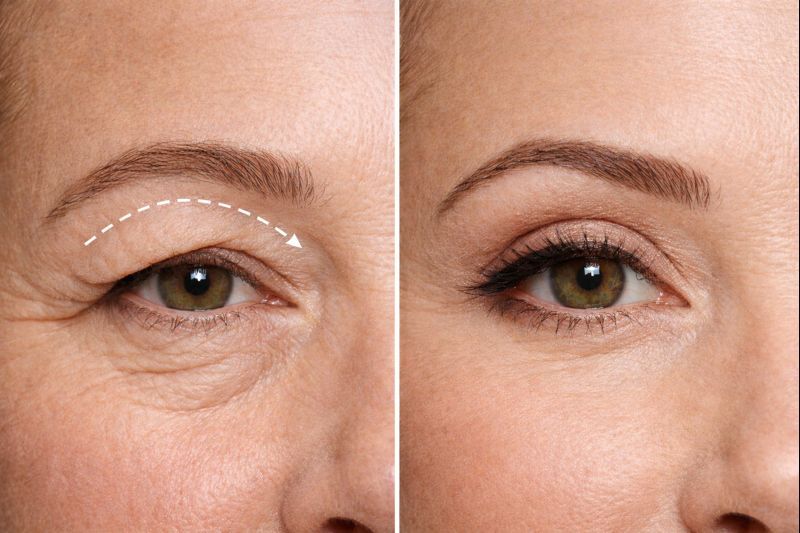
Refreshing your look: upper blepharoplasty
Upper blepharoplasty is a popular procedure that helps bring youth back to your eyes. It removes drooping eyelids and puffiness around the eyes.
Many people choose this operation to improve their appearance and feel more confident. The procedure can also improve vision if excess skin gets in the way.
Recovery after surgery usually takes one to two weeks. Patients often notice a significant improvement in both their appearance and how they feel.
It is important to choose an experienced surgeon to get the best results. Upper blepharoplasty can be the first step towards a refreshed, renewed look.
What is upper blepharoplasty?
Upper blepharoplasty is a surgical procedure that improves the appearance of the upper eyelids. It addresses drooping eyelids, excess skin and puffiness.
The operation is in demand for both aesthetic and functional reasons. Many patients choose it to get rid of the restricted field of vision caused by excess skin.
The procedure usually takes one to two hours. It is performed under local anaesthesia, which makes it relatively safe and comfortable for the patient.
The main benefits of upper blepharoplasty include:
- Correcting drooping eyelids
- Removing excess skin
- Greater self-confidence
The results can last for many years and, in some cases, for life. Many patients notice a clear improvement not only in their appearance but also in their overall well-being.
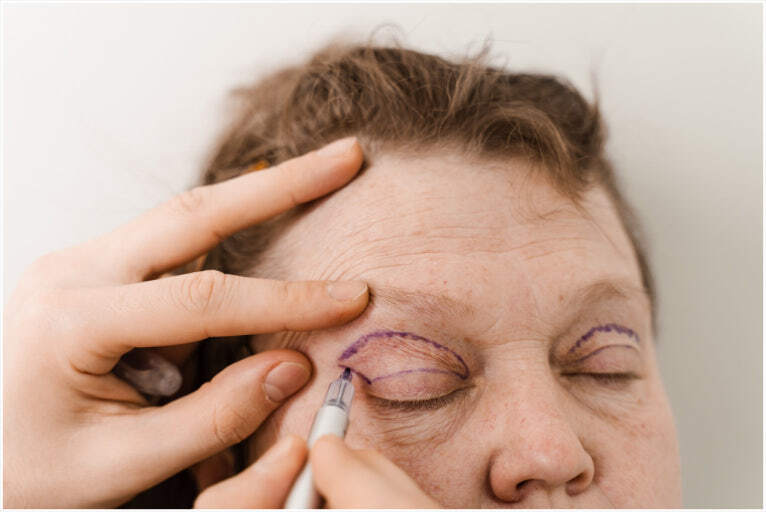
Indications and contraindications
Upper blepharoplasty is suitable for those who want to improve the appearance of their eyes. The operation helps remove sagging skin and puffiness around the eyes.
Indications for surgery may include heavy eyelids or reduced vision caused by excess skin. The procedure also suits people who want a younger, fresher look.
Despite its popularity and safety, the procedure is not for everyone. Contraindications may include serious illnesses, such as circulatory problems, or active infections.
It is important to consult a professional before surgery. The doctor will assess the indications as well as any possible limitations.
A short list of indications and contraindications:
- Indications:
- Sagging skin of the upper eyelids
- Restricted field of vision
- Aesthetic preferences
- Contraindications:
- Chronic illnesses
- Active infections
- Allergy to anaesthesia
Discussing everything with your surgeon will help you make a balanced decision and avoid risks.
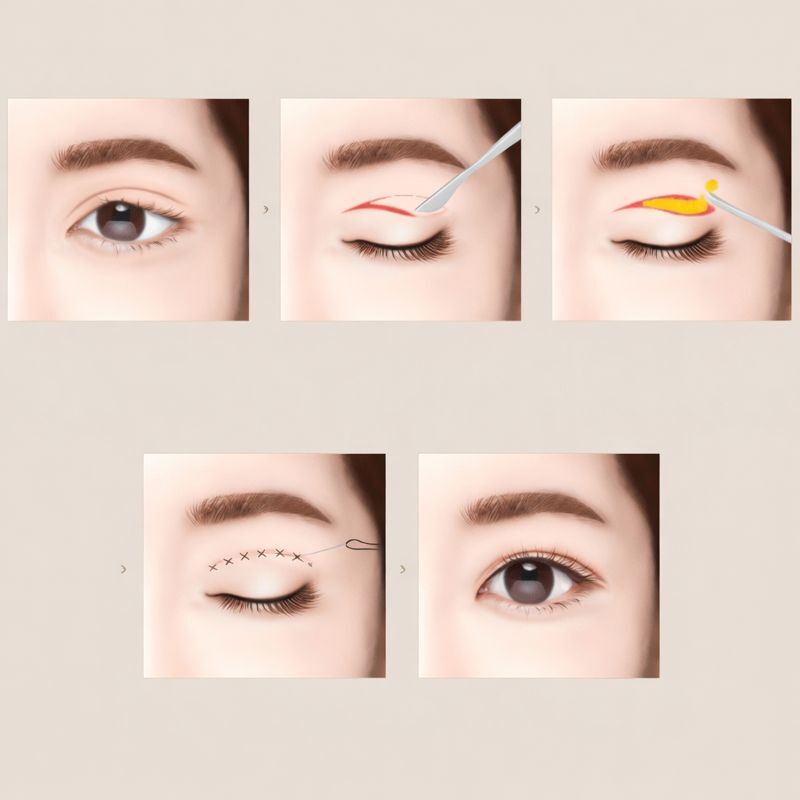
How eyelid surgery is performed
Upper eyelid surgery is a carefully planned process. It starts with a consultation, at which the surgeon assesses the eyelids and the patient’s general health.
On the day of surgery the patient arrives at the clinic and is prepared for the procedure. It is usually performed under local anaesthesia.
The surgeon then makes a small incision in the natural crease of the eyelid. This makes it possible to remove excess skin, fat or muscle.
The procedure takes about 1–2 hours. The surgeon works carefully to shorten recovery and minimise risks.
When the operation is finished, stitches are placed. The position of the incision helps hide visible scars, which improves the aesthetic result.
Here are the main stages of the process:
- Consultation and assessment.
- Preparation and local anaesthesia.
- Incision and removal of excess tissue.
- Stitching.
- Instructions on caring for the stitches.
The patient is given strict instructions on aftercare and on reducing eye strain. Following them helps speed up recovery and improve the final result.
Recovery after upper blepharoplasty
The recovery period after upper blepharoplasty needs special attention. Swelling and bruising are possible in the first days, and this is normal.
Most patients return to their normal lives within 1–2 weeks. However, it is important to follow the doctor’s recommendations carefully.
Simple aftercare recommendations include:
- Applying cold compresses to reduce swelling.
- Avoiding physical exertion and hot baths.
- Wearing sunglasses outdoors.
Rare complications may include dry eyes or temporary sensitivity to light. Any discomfort should be reported to the doctor.
Results can be seen within a few weeks, although the final changes appear after several months. Proper care helps healing and keeps scarring to a minimum.
It is important to remember that recovery takes time, but the results often exceed expectations.
Possible risks and complications
Like any surgical procedure, upper blepharoplasty carries some risks. They are usually rare, but it is important to be aware of them.
The most common complications:
- Bruising and swelling.
- Temporary dry eyes.
- Eyelid asymmetry.
An experienced surgeon will keep the risks to a minimum. Even so, it is important to be prepared for the unexpected.
In very rare cases, infection or complicated healing may occur. Following the post-operative recommendations helps prevent most of these.
Be sure to discuss all possible risks with your doctor at the consultation stage. This will help you make informed decisions and prepare for recovery in advance.
Results: upper blepharoplasty before and after
Upper blepharoplasty significantly changes the appearance of the eyes. Once healed, the result looks natural and noticeably improves the overall look of the face.
Patients often say that their eyes look more open and fresh. This makes the face look younger and reduces signs of tiredness. As a rule, the effect is visible as soon as recovery is complete.
The best results are achieved when the surgeon takes the patient’s individual features into account. This ensures harmony and preserves natural beauty.
The benefits of the operation include:
- Less eyelid hooding.
- Removal of bags and puffiness around the eyes.
- Better eye symmetry.
The visible improvements after the procedure often boost self-confidence and quality of life. The long-lasting results make upper blepharoplasty a popular choice among many patients.
Blepharoplasty reviews: patients’ experience
Patient reviews help you understand better what to expect from upper blepharoplasty. Many people share their stories and feelings.
Patients often describe feeling more confident after surgery. They notice how their refreshed appearance has a positive effect on their personal and professional lives.
Recovery is often mentioned in reviews. Most patients say that by following the surgeon’s instructions they quickly returned to their normal lives.
Some patients highlight the following:
- A wider field of vision.
- Less eye fatigue.
- Positive changes in their overall appearance.
It is important to look for honest and varied reviews. This helps you make a careful, balanced decision about the procedure. In the end, most satisfied patients confirm that they chose the right path to rejuvenation.
How much does upper blepharoplasty cost?
The cost of upper blepharoplasty can vary widely. It depends on several factors, including the surgeon’s experience and the location of the clinic.
The overall price usually includes the surgeon’s fee, anaesthesia and post-operative care. Blepharoplasty is often not covered by insurance.
Factors that affect the cost:
- The surgeon’s reputation and experience.
- The clinic’s location and equipment.
- The medical services included in the price.
It is important to discuss all aspects of the price with the clinic in advance. Make sure your expected budget covers everything, including the recovery period. That way you can prepare financially for a successful and safe operation.
Tips for choosing a surgeon and a clinic
Choosing the right surgeon and clinic is critical to a successful upper blepharoplasty. Start by looking for a certified specialist with experience in eyelid surgery.
Read patient reviews and study the surgeon’s portfolio. Personal recommendations can also help narrow down your choice.
Here are a few key points to evaluate:
- The surgeon’s certification and experience.
- The clinic’s reputation.
- Before-and-after examples.
- A consultation to discuss your expectations.
Don’t forget to ask important questions at the consultation. This will help you build trust and confidence in the specialist and clinic you choose.
Conclusion: is eyelid surgery worth it?
The decision to have upper blepharoplasty is a purely personal one. It is a procedure that can significantly improve your appearance and affect your quality of life.
However, it is important to discuss every detail with a qualified surgeon and carefully weigh the pros and cons. Realistic expectations and an understanding of the process will help you achieve the best results and be satisfied with the operation.
