
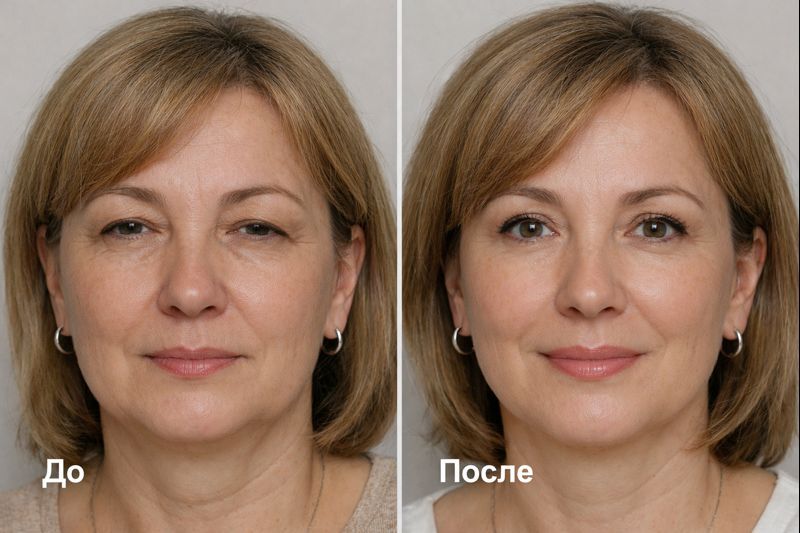
A hooded (drooping) eyelid is a condition in which the skin of the upper eyelid sits lower than usual, making the eyes feel heavy and look tired. It is not only a cosmetic problem: in some cases it is a medical one, especially if the drooping eyelid gets in the way of vision. In this article we look at what a hooded eyelid is, the main causes and the ways to correct it.
A drooping eyelid, also known as ptosis, can be congenital or acquired. In some cases it is the result of natural ageing, when the skin loses its elasticity and firmness. However, a drooping eyelid can also be caused by other factors, such as injuries, illnesses or even long-term use of contact lenses.
A drooping eyelid, also known as ptosis, can be congenital or acquired. In some cases it is the result of natural ageing, when the skin loses its elasticity and firmness. However, a drooping eyelid can also be caused by other factors, such as injuries, illnesses or even long-term use of contact lenses.
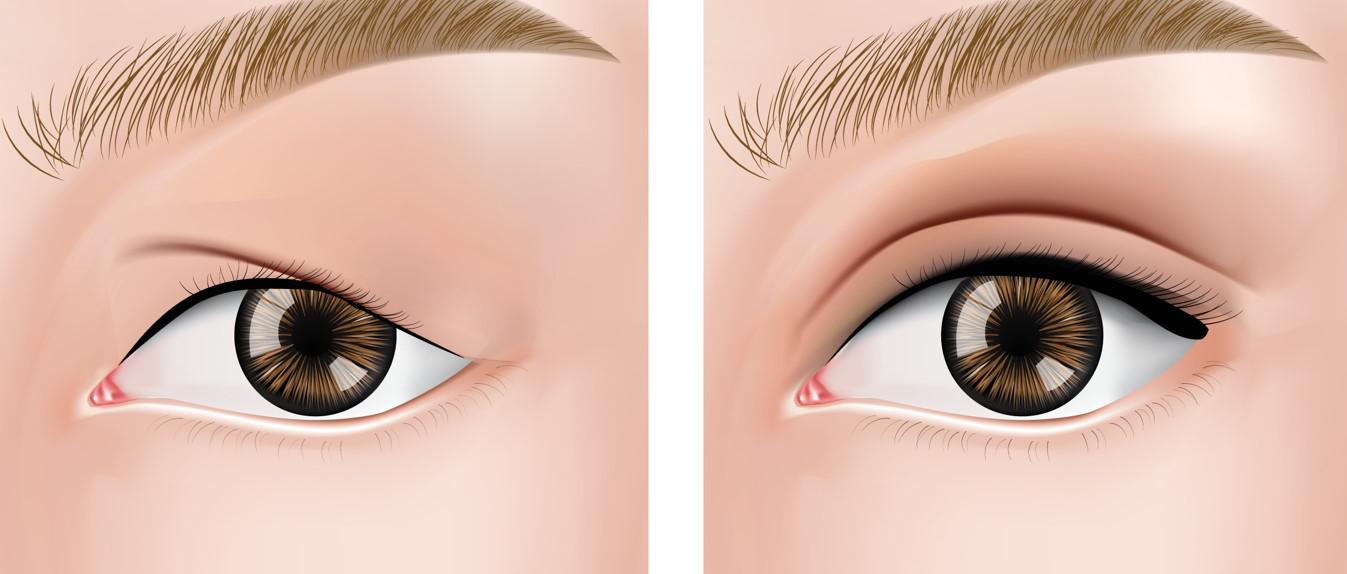
Congenital ptosis may be linked to genetic abnormalities or underdevelopment of the muscle that lifts the eyelid. Some children have a weak levator muscle, which may require early treatment. Acquired ptosis most often develops in adulthood and can be caused by many factors, including external injuries and illnesses.
Ageing is one of the main causes of ptosis. With age, the skin loses collagen and elasticity and begins to sag. Gravity and repeated eyelid movements also contribute to this process. As a result, many people notice changes around their eyes as they get older.
Environmental factors, such as pollution and sun exposure, can speed up skin ageing. Smoking, poor diet and lack of sleep can also have a negative effect on the eyelids. All these factors can accelerate ageing and contribute to hooded eyelids.
With age, the skin around the eyes loses collagen and elastin, which makes it sag. On top of this, the muscles that support the eyelid may also weaken, making the problem worse. This can make the eyes look less expressive and more tired.
Genetics plays a significant role in the development of hooded eyelids. If your parents or other close relatives had hooded eyelids, you may also be predisposed to this condition. A genetic predisposition can show up at any age and vary in severity.
Weakness of the levator muscle, which is responsible for lifting the eyelid, can lead to ptosis. Neurological conditions, such as myasthenia gravis or neuropathy, can also weaken the eyelid muscles. These conditions can cause not only cosmetic but also functional problems that affect vision.
Injuries to the eye or face can damage the structures that support the eyelid, which may cause it to droop. Surgery around the eyes can also affect the eyelids. In some cases, surgical procedures can lead to temporary or permanent changes in the structure of the eyelid.
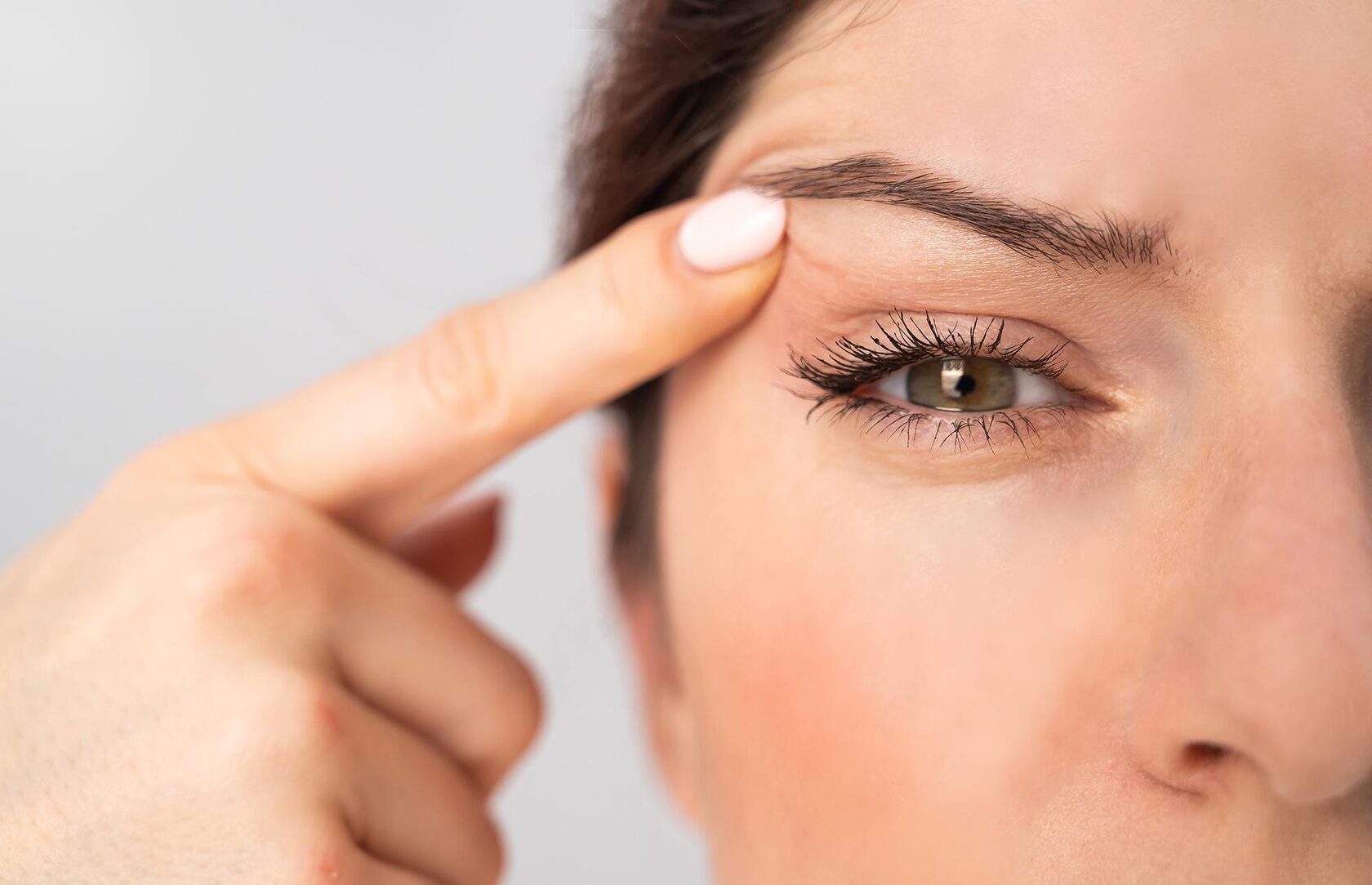
Modern cosmetology offers many methods for correcting hooded eyelids. Let’s look at the most popular ones:
Botox injections are used for a temporary eyelid lift by relaxing the muscles. The effect lasts several months, during which the muscles stay relaxed and the eyelid looks more lifted. It is a popular method that needs no lengthy recovery and gives quick results.
Hyaluronic acid injections help tighten the skin around the eyes and reduce hooding. Fillers work by restoring volume lost with age. There are many types of fillers, and the choice depends on your skin and the result you want.
Lasers stimulate collagen production, which helps tighten the skin of the eyelids. This method can also improve skin texture and minimise fine lines. Laser therapy can be used on its own or combined with other procedures for better results.
Blepharoplasty is a surgical operation that removes excess skin and strengthens the eyelid muscles. There is upper and lower blepharoplasty, depending on the area that needs correcting. It is a more radical approach, but it gives long-lasting results and can greatly improve the appearance of the eyes.
For those who prefer home remedies, there are a few simple and effective ways to help lift the upper eyelids:
Regular exercises, such as raising and lowering the eyelids, help strengthen the muscles. These exercises stimulate circulation and can improve muscle tone around the eyes. They can be done daily for the best results.
A gentle massage with oils (for example, coconut or olive oil) improves circulation and stimulates skin renewal. The massage can be done with your fingers or special tools. It is not only good for the eyelids but also relaxing, which improves your overall well-being.
Compresses with chamomile or green tea reduce puffiness and improve skin tone. Herbal compresses have a soothing and anti-inflammatory effect. They can be part of your daily skincare or a way to relax after a hard day.
Use creams containing vitamins A and E, which help the skin recover. These vitamins help strengthen the skin and protect it from damage. Moisturisers are also important for keeping the skin hydrated, which prevents premature ageing.
Preventing hooded eyelids involves both skincare and a healthy lifestyle. Here are a few tips:
Use sunglasses and sunscreen to protect the skin around your eyes from harmful UV rays. UV rays can speed up ageing and contribute to wrinkles. Proper sun protection will help keep the skin around your eyes young and healthy.
Lack of sleep can lead to puffiness and poorer skin condition. Sleep gives the body a chance to recover and renew skin cells. Regular, good-quality sleep is essential for healthy, beautiful eyelids.
Eat foods rich in antioxidants that support skin health. Your diet should include fruit, vegetables, nuts and fish to provide your body with the vitamins and minerals it needs. A healthy diet plays a key role in keeping the skin toned and preventing it from losing firmness.
Smoking and excessive alcohol have a negative effect on the skin. They can lead to loss of collagen and elasticity, which speeds up ageing. Giving up these habits will improve your general health and the appearance of your skin.
If a drooping eyelid causes vision problems or comes with other symptoms, such as pain or redness, you should see an ophthalmologist. The specialist will make a diagnosis and suggest suitable treatment. In some cases a comprehensive approach may be needed, including consultations with other specialists, such as a dermatologist or a plastic surgeon.
Hooded eyelids are a common problem that many people face. Fortunately, there are many ways to deal with it, from home remedies to professional procedures. The main thing is to notice the problem in time and choose the right correction method.
Remember that the health of your eyes and eyelids is an important part of your overall well-being. Take care of yourself and your eyes, and they will serve you well for many years. A comprehensive approach to eyelid skincare and seeing specialists in good time will help keep your eyes young and beautiful.
